
What is Play Therapy?
Play Therapy
Play therapy is a behavioral treatment that uses the child’s natural play in a therapeutic setting. It is used to help children who are experiencing difficulties in their mental and/or emotional development, such as anxiety, depression, shyness, and disordered eating (i.e., anorexia or bulimia). Play therapy also helps children with autism spectrum disorder to learn social skills.
Derived from the work of John Dewey, a philosopher, and educator who believed that play was a fundamental part of human existence. Play therapy involves children acting out their fears, emotions, inhibitions, and conflicts in the context of “play.” In this setting, children are encouraged to express themselves through play; these explorations can help them heal and make sense of their world.
How Does It Work?
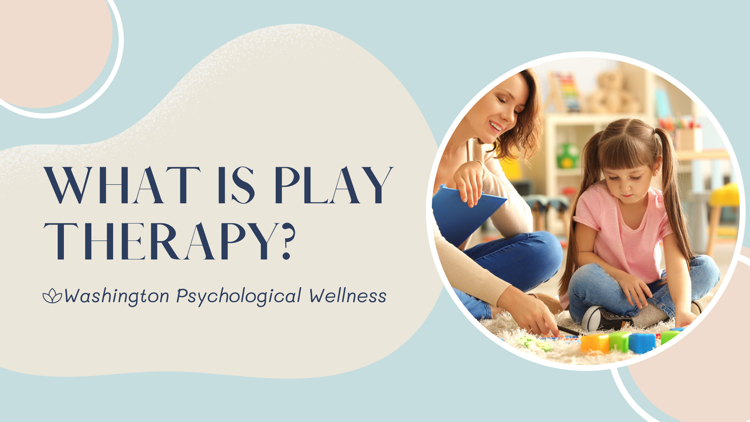
Play therapists observe children’s play as it occurs naturally in the therapeutic setting. For example, they may observe children in the context of a story, game, or activity. They may also explore a child’s play through direct eye contact and verbal interpretations about the possibilities in the child’s play.
Sessions usually occur in the play therapist’s office, which is a safe play space. However, the child may also be invited to play at home either in-vivo or virtually to encourage their use of “play” and problem-solving outside of the professional setting.
The Benefits
The therapeutic benefits include increased self-esteem, improved ability to cope with anxiety and depression, greater awareness of emotions, and enhanced social skills, leading to greater communication skills with others. In addition, children who participate in play therapy learn to trust others, understand adults, and appreciate the creativity within themselves.
Seeking Play Therapy
At Washington Psychological Wellness, our play therapists will collaboratively work with you and your child to develop a personalized and tailored approach to care.
If you are interested in learning more about how play therapy could benefit your child- contact us today for a complimentary 15-minute initial consultation!