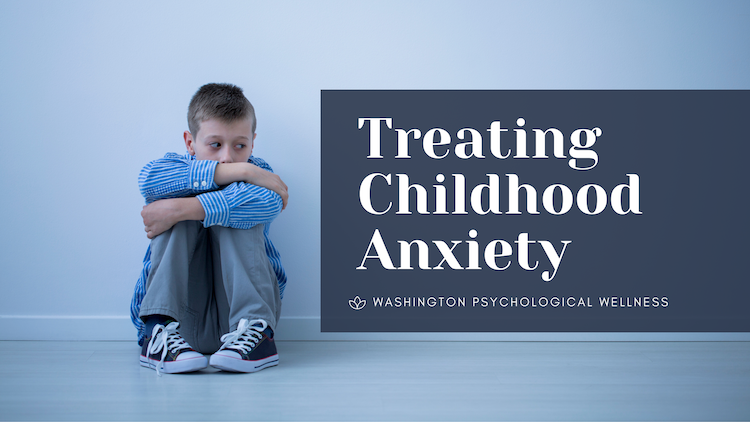
u003ch2u003eu003cstrongu003eTreating Childhood Anxietyu003c/strongu003eu003c/h2u003enu003cpu003eu003cbu003eChildhood Anxietyu003c/bu003eu003c/pu003enu003cpu003eu003cspan style=u0022font-weight: 400;u0022u003eIf you're a parent who's worried about your child's anxiety, it may be time to consider therapy.u003c/spanu003eu003c/pu003enu003cpu003eu003cspan style=u0022font-weight: 400;u0022u003eMany parents are hesitant at the idea of seeking help for their children, but in reality, therapy is vastly more effective when tackling anxiety in children than medication alone. Therapy can also compensate for any developmental delays that the child's anxiety might have causedu003c/spanu003eu003c/pu003e

Treating Childhood Anxiety

u003ch3u003eu003cbu003eThe symptoms of anxiety in children can vary and may include:u003c/bu003eu003c/h3u003enu003culu003enu003cli aria-level=u00221u0022u003eu003cspan style=u0022font-weight: 400;u0022u003eDifficulty with schoolwork, learning, or concentratingu003c/spanu003eu003c/liu003enu003cli aria-level=u00221u0022u003eu003cspan style=u0022font-weight: 400;u0022u003eTrouble falling asleepu003c/spanu003eu003c/liu003enu003cli aria-level=u00221u0022u003eu003cspan style=u0022font-weight: 400;u0022u003eIrritability with peers or siblings u003c/spanu003eu003c/liu003enu003cli aria-level=u00221u0022u003eu003cspan style=u0022font-weight: 400;u0022u003eJealousy, rivalry, or intense competition with others, even over toys u003c/spanu003eu003c/liu003enu003cli aria-level=u00221u0022u003eu003cspan style=u0022font-weight: 400;u0022u003eProblem sharing or playing well with othersu003c/spanu003eu003c/liu003enu003cli aria-level=u00221u0022u003eu003cspan style=u0022font-weight: 400;u0022u003eGeneralized dread of going to school, experiencing separation anxiety, and other phobias about being away from home u003c/spanu003eu003c/liu003enu003cli aria-level=u00221u0022u003eu003cspan style=u0022font-weight: 400;u0022u003eFears of losing a parent to death and other forms of abandonment issuesu003c/spanu003eu003c/liu003enu003cli aria-level=u00221u0022u003eu003cspan style=u0022font-weight: 400;u0022u003eDeveloping and then ceasing physical symptoms: stomach aches, headaches, eye strain, muscle tension, skipped meals, and so forthu003c/spanu003eu003c/liu003enu003cli aria-level=u00221u0022u003eu003cspan style=u0022font-weight: 400;u0022u003eDifficulty with adapting to changing situations and unexpected changesu003c/spanu003eu003c/liu003enu003cli aria-level=u00221u0022u003eu003cspan style=u0022font-weight: 400;u0022u003eFear of everything from leaving the house to wearing a bathing suit to experiencing heightsu003c/spanu003eu003c/liu003enu003cli aria-level=u00221u0022u003eu003cspan style=u0022font-weight: 400;u0022u003eFeelings of shame or embarrassment that go along with anxietyu003c/spanu003eu003c/liu003enu003cli aria-level=u00221u0022u003eu003cspan style=u0022font-weight: 400;u0022u003eFeelings of worthlessness or guilt and suicidal thoughtsu003c/spanu003eu003c/liu003enu003c/ulu003e

u003ch3u003eu003cbu003eWhat kinds of problems can therapy address?u003c/bu003eu003c/h3u003enu003cpu003eu003cemu003eTherapy can help you and your child with:u003c/emu003eu003c/pu003enu003culu003enu003cli style=u0022font-weight: 400;u0022 aria-level=u00221u0022u003eu003cspan style=u0022font-weight: 400;u0022u003eUnderstanding the source of anxiety and how to manage it u003c/spanu003eu003c/liu003enu003cli style=u0022font-weight: 400;u0022 aria-level=u00221u0022u003eu003cspan style=u0022font-weight: 400;u0022u003eBuilding self-esteem by improving your child's social skills, emotional maturity, and problem-solving abilities u003c/spanu003eu003c/liu003enu003cli style=u0022font-weight: 400;u0022 aria-level=u00221u0022u003eu003cspan style=u0022font-weight: 400;u0022u003eEasing your family's emotional responses as you work together to reduce the impact of anxiety on school, relationships, play, and life in generalu003c/spanu003eu003c/liu003enu003cli style=u0022font-weight: 400;u0022 aria-level=u00221u0022u003eu003cspan style=u0022font-weight: 400;u0022u003eGetting back on track developmentally for kids whose anxious thoughts or symptoms interfere with their ability to learn or do well in schoolu003c/spanu003eu003c/liu003enu003c/ulu003e

u003ch3u003eu003cbu003eHow can therapy help treat childhood anxiety?u003c/bu003eu003c/h3u003enu003cpu003eu003cspan style=u0022font-weight: 400;u0022u003eAs a parent and the leader of your family, you're the first line of defense for your child's emotional health. Therapy can help you build a trusting relationship with a therapist who works with children from various backgrounds. This helps create an environment where children feel comfortable opening up about their issues. With your help, they'll be able to look forward to effective treatment that addresses where their problems are rooted in the brain and how anxieties may have developed over time.u003c/spanu003eu003c/pu003enu003cpu003eu003cspan style=u0022font-weight: 400;u0022u003eAnxiety is a severe problem for many children, but successful treatment can help manage the situation and improve family dynamics for a happier home.u003c/spanu003eu003c/pu003e

u003ch3u003eu003cbu003eReady To Seek Help? u003c/bu003eu003c/h3u003enu003cpu003eu003cspan style=u0022font-weight: 400;u0022u003eReady to learn more about how therapy can help your child overcome anxiety? u003c/spanu003eu003c/pu003enu003cpu003eu003cspan style=u0022font-weight: 400;u0022u003eu003ca href=u0022https://washington-psychwellness.com/contact/u0022u003eContact Washington Psychological Wellnessu003c/au003e today for a complimentary 15-minute initial consultation. Our team of highly skilled mental health professionals is here to help you and your child achieve optimal mental health and wellness! u003c/spanu003eu003c/pu003e

Pin It on Pinterest

Share This