
What To Do If You Don't Like Your Child's Friends
Disliking Your Child's Friends
Some parents find their child's friends to be like a box of chocolates: you never know what you're going to get. But there is no need for parents to panic. Both the parent and the child must understand what bothers them, both in a general sense and with specific examples. There is no need to call the police or have a knockdown, drag-out with your child.
Unlike a box of chocolates, you'll know what kind of friends your child will end up having if you ask the right questions and in the right way.
Here are some suggestions on what to do and what not to do if you don't like your child's friends. And remember, "friend" does not necessarily mean "people I like." It simply means people that your child can consistently rely upon.
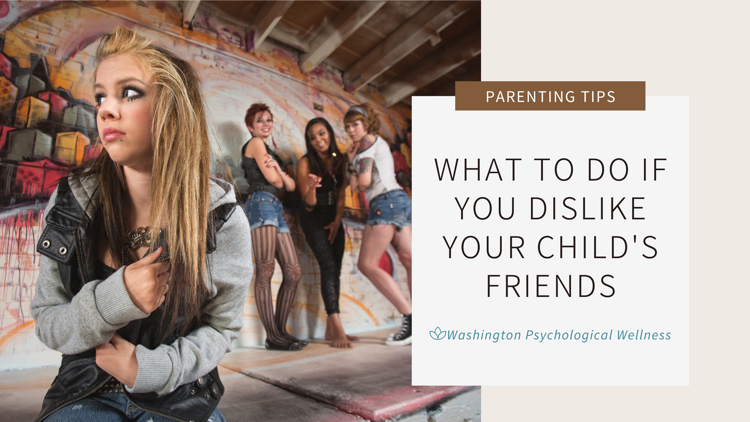
What To Do If You Don't Like Your Child's Friends
1. Don't be offensive
You won't get respect by acting offensive, especially when your child clearly likes their friend.
If you feel your child might be in over their head with a particular friend, then tell them about how you feel. But try to keep the criticism to yourself as much as possible–you're not helping anyone by being hostile towards someone else's kid.
2. Be a good role model
If you want your child to be able to get along with other people, chances are they're taking cues from you. If you can't accept someone's presence, your child will likely have a hard time accepting others as well. Your child is watching how you handle socialization and conflict, so make sure your actions won't hurt your child in the future.
3. Remember your child likes their friend for a reason
Try to think of what your child likes about their friend, and perhaps you'll find something you could also like. Not everyone has the same interests, so there's likely to be something you do like about their friend.
4. Don't automatically assume all of your child's friends are misfits and rebels.
Yes, some are likely to be, but plenty of kids have friends who don't resemble them whatsoever. Of course, the two might have completely different interests, and that's fine at this point in life. Childhood is about growing and learning, and sometimes that is done through friendship and exploration.
5. Ask yourself why you're not comfortable having this person around.
Are they stealing your child's affection? Are they making too many demands?
Many parents have a problem with the amount of time their kid spends with their friend, but that could be something you're projecting onto your child. Always reflect and make sure you are fair about your reasons for disliking the friend.
6. Ask your child what they like about their friend.
Asking your child what they like about someone is an excellent way to find out what they're getting out of this friendship–it gives you insight into how your child's mind works. They may be able to tell you some things you didn't know, and it also might let them know you care enough to ask.
7. Be honest.
Sometimes honesty is the best policy, even with our kids. It doesn't mean that you want to be hurtful or offensive, but being honest about how you feel might be the best way to bridge a trust gap between you and your child. Be as objective and non-judgemental as possible and clearly express your concerns. Your child might not necessarily agree, but you've at least opened a clear line of communication should your child want to confide in you in the future.
8. Communicate with other parents.
If this is an issue between you and another parent, try to communicate without involving the kids. However, if some concerns need to be addressed, try to develop a solution that positively affects everyone.
9. Seek your own therapy.
Let's face it–we're not perfect parents! We all have things we struggle with, and it's not always about our children. Unfortunately, your own issues could be causing you to feed the negativity towards your child's friend. If you feel that this is the case, seek help from a professional therapist who can help you deal with your issues without impacting your child.
10. Let it go!
There will always be something that's bothering you about your kids' friends. This will never completely disappear, but it doesn't mean you have to focus your entire life on making sure what they do is okay with you. As long as they're not getting into trouble and they're still happy, let them do their own thing.
Getting Help
Just because your kid has friends you don't like doesn't mean you have to cut them off from their life. You might not be able to stop them from having a friendship you don't like, but there are things you can do to at least try and deal with it as best as possible.
At Washington Psychological Wellness, our therapists are here to help you cope with any kind of stress in your life. If you're having problems with your kids' friends, feel free to contact us today for a complimentary 15-minute initial consultation to learn how therapy can help!