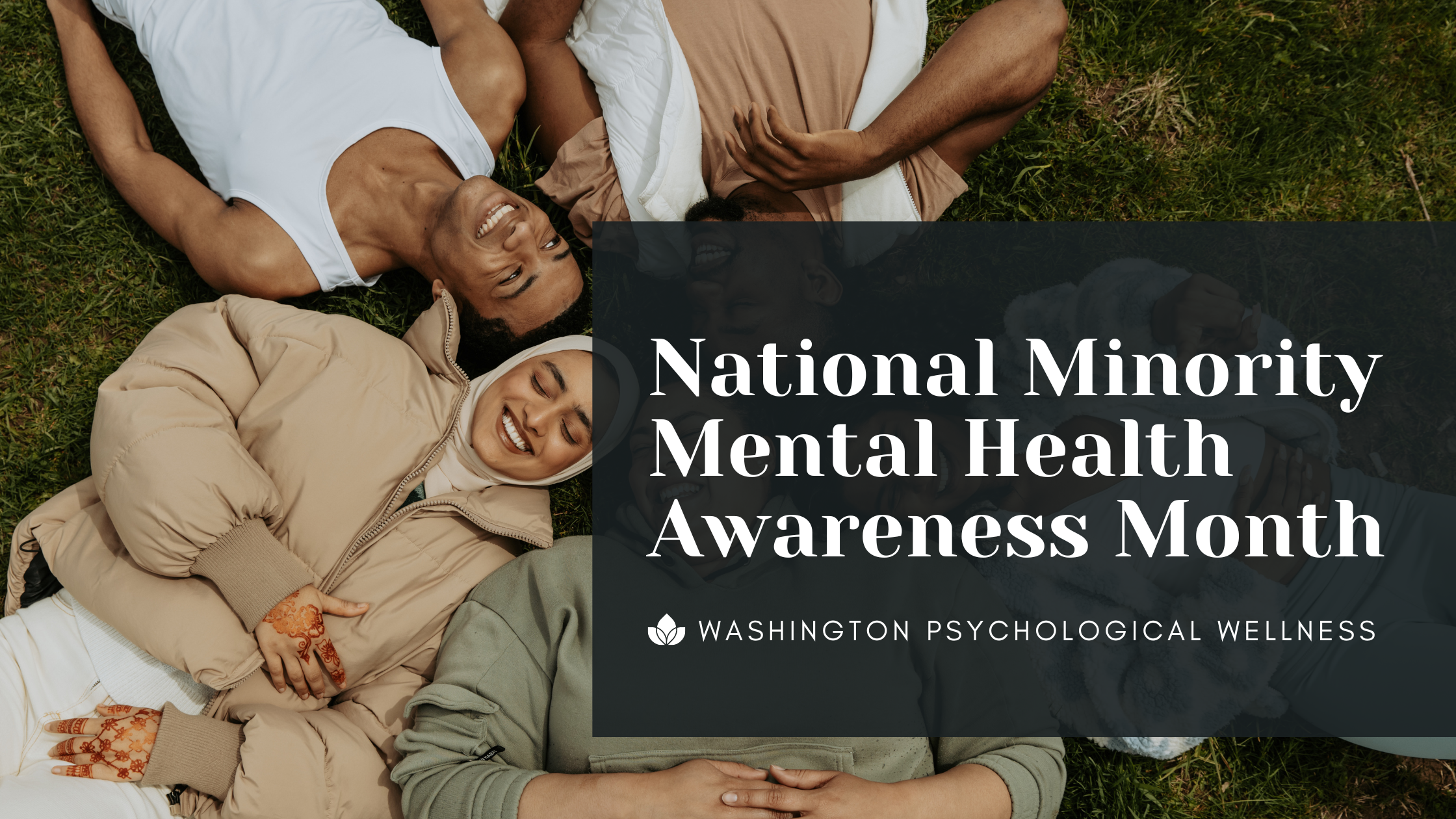
National Minority Mental Health Awareness Month
In our interconnected world, it is vital to acknowledge and tackle the specific mental health challenges encountered by minority communities. National Minority Mental Health Awareness Month, also known as BIPOC Mental Health Awareness Month, is observed annually in July and is a poignant reminder to heighten awareness, foster understanding, and support individuals from diverse backgrounds facing mental health issues. This month-long observance promotes dialogue, education, and advocacy to dismantle barriers, eradicate stigma, and secure everyone's equitable access to mental health care.
Understanding the Significance of Minority Mental Health
Recognizing the importance of minority mental health means understanding that mental well-being transcends race, ethnicity, religion, gender, or sexual orientation. However, discrimination, prejudice, cultural barriers, and historical trauma significantly affect the mental well-being of minority populations. National Minority Mental Health Awareness Month illuminates these challenges, enabling us to address disparities and work towards inclusive, culturally competent mental health services.
Challenges Faced by Minority Communities
Stigma and Cultural Obstacles: Stigma surrounding mental health issues often deter individuals from seeking help within minority communities.
Health Disparities: Minority communities often face disproportionate rates of mental health conditions, partly due to socioeconomic disparities, limited access to quality healthcare, and systemic inequities.
Historical Trauma and Discrimination: Historical traumas, such as colonization, racism, and systemic oppression, can have enduring effects on mental health. Acknowledging and addressing the intergenerational impact of discrimination and trauma is essential as part of a comprehensive mental health approach.
Promoting Awareness and Taking Action
Education and Outreach: National Minority Mental Health Awareness Month provides an opportunity to educate communities about mental health, raise awareness about the unique challenges faced by minority populations, and promote mental well-being. Initiatives can include workshops, webinars, and community dialogues to foster understanding and empathy.
Reducing Stigma: Challenging stigma requires collective effort. Individuals, communities, and organizations can contribute by sharing personal stories, dispelling myths, and encouraging open discussions about mental health. Promoting conversations and providing accurate information can help diminish the shame and judgment associated with mental health issues.
Culturally Competent Mental Health Care: It is crucial to develop and promote culturally competent mental health services that consider the needs of diverse populations. This includes providing language support, increasing the diversity of mental health professionals, and integrating cultural perspectives into treatment approaches.
Advocacy and Policy Reform: National Minority Mental Health Awareness Month serves as a platform for advocacy and policy change. We must engage policymakers, support equity organizations, and demand resources to address disparities.
Conclusion
National Minority Mental Health Awareness Month highlights the specific mental health challenges in minority communities, acknowledging historical traumas and striving for equitable access to care. By embracing diversity and promoting understanding, we can foster a society that values mental well-being for all individuals. At Washington Psychological Wellness, we proudly strive to provide therapeutic services through a multi-culturally competent and inclusive lens. Let's unite to raise awareness, eliminate disparities, and create an inclusive future of accessible mental health support.